Reviewed · PRIVATE
Pearls of the Balkans from / to Dubrovnik; Semi – Private Tour
This is interesting because you jump across several countries in one smooth arc, without you having to manage borders and connections yourself. You get a front-row seat to how the Balkans layer history, faith, and everyday life, moving from medieval walls to Ottoman streets to lakeside nature. I love the UNESCO hit rate (Kotor, Ohrid, Mostar) and I love the small semi-private size capped at 10 people, which keeps things calmer than big coach tours. One drawback to think about: the days are full and walking is part of the deal, so if you hate rushing, you might feel the pace.
The trip starts with pickup from Dubrovnik (or optional Kotor), then you’re transferred to meet your tour leader. You’ll have 3-star hotel stays on a twin or double basis with breakfast included, and your schedule is guided in English. Just be aware that real life factors like weather or site closures can shift timing.
If you like cultural variety and you enjoy getting your bearings fast in new places, this tour fits well. If you’re only interested in one country or you want lots of downtime, you’ll probably be happier picking a shorter, single-region route.
Key things that make this tour worth your attention
- UNESCO towns across multiple countries: Kotor, Ohrid, and Mostar are built into the route.
- Religious and political history in context, from Albania’s communist-era sites to Ottoman architecture in Kosovo and Bosnia.
- Slow travel moment in the middle: an agro-tourism farm visit with time for lunch and local produce.
- Lake Skadar nature time: birdlife and a real pause from city streets at Virpazar.
- Small group size, capped at 10: better chances for flexibility and quieter moments.
- Electric-car timing can matter: one past tour experience noted charging stops that affected flow, so plan for that possibility.
Dubrovnik to the border: how the tour actually starts
Your first morning is set up like a “we’ll handle the hard part” kind of day. After you’ve had time to enjoy Dubrovnik on your own, pickup happens at 7:30 am. From there, you get shuttled to the border area, where you meet your tour leader for the Balkan journey.
You can also choose a different pickup option. If you request it at least 12 hours before departure, pickup can be 9:00 am in Dubrovnik or 11:00 am from Kotor, free of charge. That flexibility can matter if you’re already moving around the Adriatic coast.
This opening matters because it sets expectations for the whole trip. You’re not spending your vacation on research and route planning. Your job is to show up on time, wear shoes for old stones, and come ready to move.
A few more ways to see Dubrovnik
- Mostar and Kravice Waterfalls Tour from Dubrovnik (Semi-Private)
★ 5.0 · 3,125 reviews - Dubrovnik: Blue & Green Caves Private Boat Tour with Drinks
★ 4.7 · 814 reviews - Dubrovnik Private Speedboat Tour to Elaphite Islands with Drinks
★ 5.0 · 660 reviews
Kotor and Budva: narrow streets, UNESCO walls, and a fast taste of Montenegro
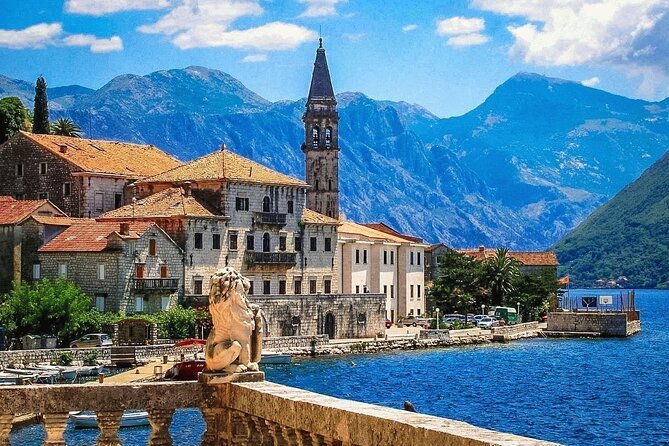
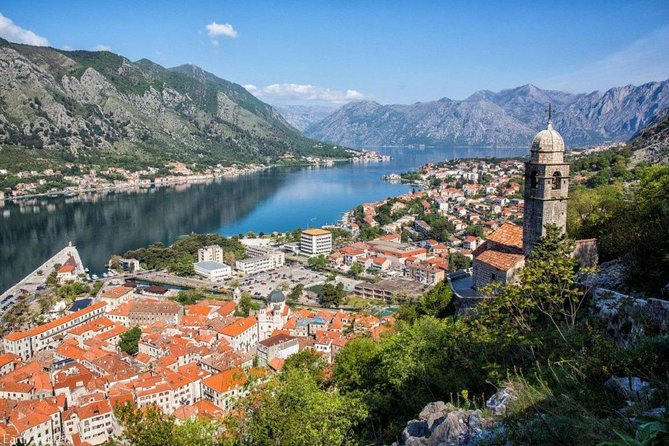
On day one, you cross into Montenegro and head to Kotor, a UNESCO World Heritage site. This is one of those towns where the street plan looks chaotic on purpose. Kotor’s tight web of lanes and cobblestones was shaped to confuse intruders, and today it gives you that maze feeling as you wander.
A key stop is Saint Luke’s Church, highlighted for its local significance. You’ll also pass by buildings marked with plaques that describe construction dates and original uses. For me, that detail is part of the charm, because it turns “old buildings” into something you can actually place in time.
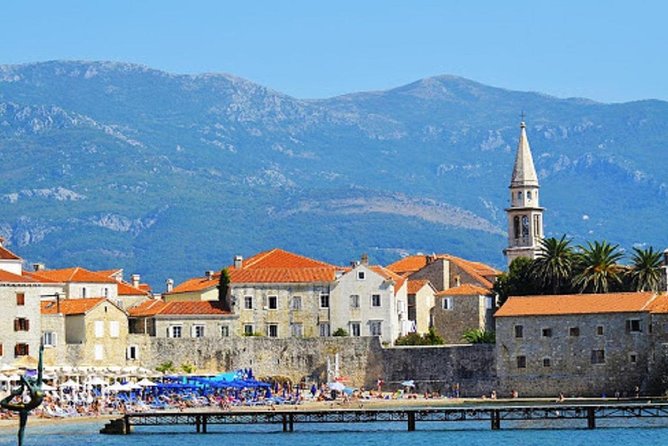
Then you continue to Budva, split between Old Budva and the newer parts. Old Budva gives you history and churches like St. Ivan plus the small church of St. Mary. It’s also a good contrast to the modern seaside areas, so you get both the postcard view and the lived-in old center feel.
Practical note: time on the ground is listed as about 2 hours in each stop. That’s enough for getting oriented and hitting the main sights, but it’s not a slow wander day. If you want long café sessions, you’ll need to plan them for later free time, not for these first-city stops.
Tirana’s layers: checkpoints, Blloku, Skanderbeg Square, and mosques
After breakfast, the route heads to Tirana, Albania’s capital. You’ll check in at your accommodation and then start exploring immediately.
The tour’s Tirana segment focuses on two kinds of learning: political memory and city layout. You visit Postblloku (Checkpoint), a memorial tied to Albania’s communist-era isolation and the people it affected. Then you move through Blloku Neighborhood, once restricted for the Albanian politburo and now one of the city’s most active areas, with cafes, boutiques, and street art.
A highlight here is how the guide connects space to story. Instead of treating Blloku like a generic fun district, you pass the residence of communist leader Enver Hoxha and see why the area changed so dramatically.
Next come the classic city center anchors: Skanderbeg Square with monuments and institutions around it, and then Tirana Castle, now a pedestrian space where modern and traditional life mix.
Religion and state policy also come into the picture. Albania was declared the world’s first atheist state in 1967, with religious practices banned. On your walk, you pass key landmarks such as Namazgah Mosque, plus an Orthodox Cathedral and Catholic St. Paul’s Cathedral, so you get a snapshot of shifting rules and ongoing faith traditions.
This day is a lot of “seeing by walking.” If you enjoy city architecture and symbolism, it lands well. If you want beaches or nature, you might find Tirana feels dense.
Berat and Ohrid: 1001 windows and a lake viewpoint from St. John at Kaneo
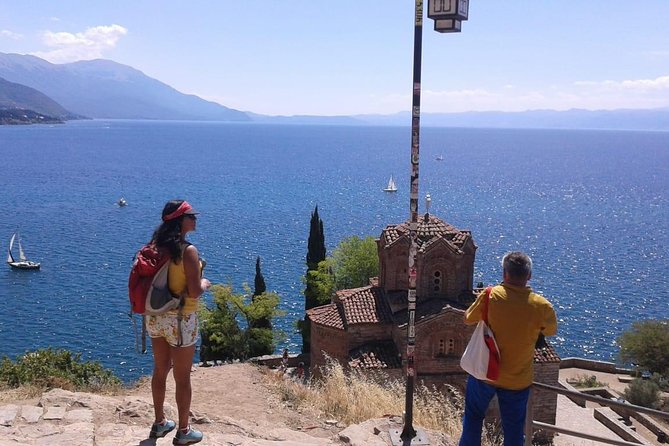
Day three is built around two UNESCO World Heritage destinations, and you’ll feel the shift from Albania’s hillside old towns to Lake Ohrid’s viewpoint culture.
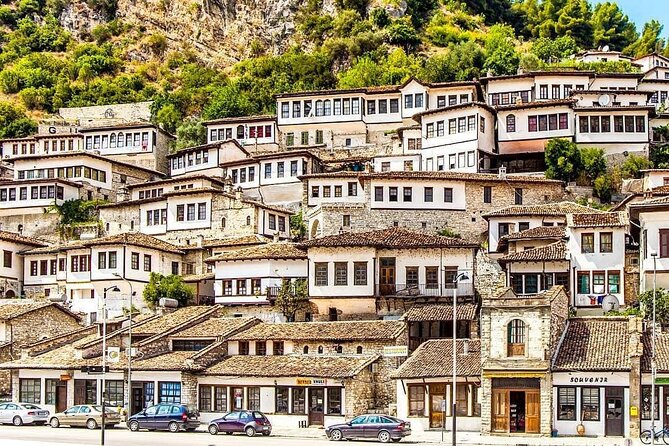
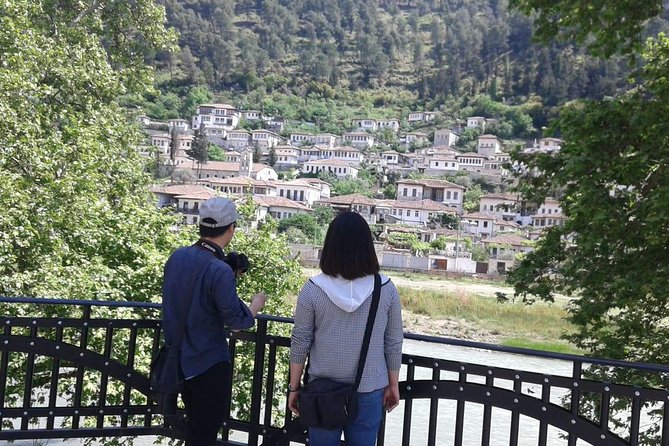
First up is Berat, often called the town of 1001 windows. You’ll walk narrow stone streets and see how the old houses stack across the hills, with windows seemingly layered on top of each other. The city is described as part of an ancient settlement with roots that stretch back well before modern times. Today, the fact that residents still live inside the castle walls is a big part of the authenticity.
You also have a stop at Berat Castle, plus a glance at ancient churches and mosques, the lower-town homes on steep hillsides, an old stone bridge, museums, and traces of the communist era. The time in each segment is tight, but you get the full shape of Berat: castle, streets, and the daily-life hillside town.
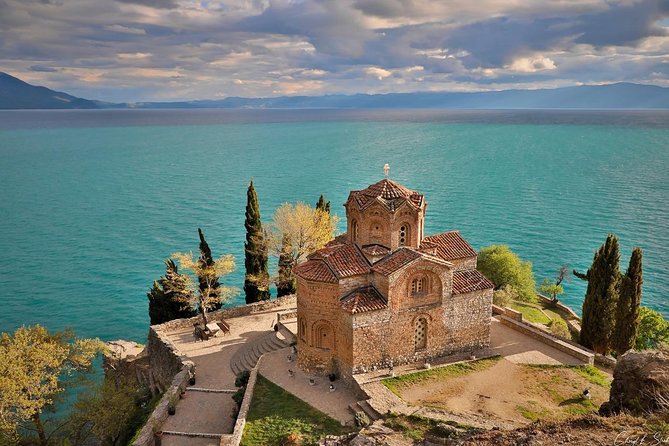
Then the route continues to Ohrid in North Macedonia, one of Europe’s oldest human settlements, with Lake Ohrid protected as UNESCO since 1980. Romans even named the lake Lyhnidas, described as the light lake, and the area’s early Illyrian connections get mentioned as part of the story.
Your stop is a viewpoint at Church of St. John at Kaneo, a place that works because the lake does the heavy lifting. Ohrid is also tied to Byzantine Orthodox tradition, including the idea of 365 churches. You’ll also hear how Ottoman-era architecture led to narrow streets, tunnels, and tiny yards built into the hills.
One excellent add-on is the National Workshop For Handmade Paper Ljupcho Panevski and its paper museum. You’ll learn about handmade paper techniques with claims tied to historic methods associated with Gutenberg-era knowledge. You can also buy a piece of handmade paper, which is one of the better souvenirs in this region, since it’s tied to a craft process rather than mass production.
If you love “small museum” moments, this day delivers.
A different way to spend a day in Dubrovnik:
- Blue Cave Small-Group Boat Tour from Dubrovnik
★ 5.0 · 9,360 reviews - Full-Day Dubrovnik Elaphite Islands Cruise with Lunch and Drinks
★ 5.0 · 8,823 reviews - Dubrovnik: Epic Game of Thrones Tour + Lokrum & Saver Option
★ 4.9 · 5,995 reviews - Dubrovnik: Elaphiti Islands Full-Day Cruise with Lunch
★ 5.0 · 5,938 reviews
Skopje, Prizren, and Sinan Pasha Mosque: bridges, bazaars, and Ottoman detail
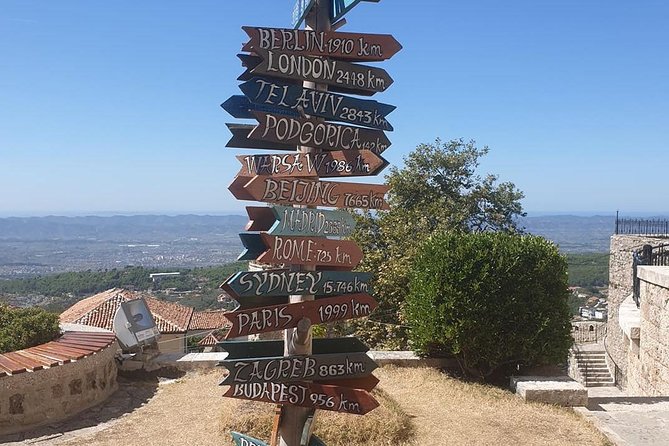
Day four moves into North Macedonia and then heads toward Kosovo. Skopje is described as a mix of European, Ottoman, and even Asian influences, and you see that through the city’s big center monuments and the older bazaar fabric.
You get time for key sights like Alexander the Great Statue in the center, the connection between old and new via bridges, and Art Bridge leading toward the archaeological museum area. You also walk through the Old Bazaar of Skopje, described as the biggest one in the Balkans. It’s the kind of stop where you don’t need a checklist, because the place itself keeps you busy.
You then move toward the cross-meld of cultures in Prizren, labeled as the cultural capital of Kosovo. You’ll learn how Prizren developed as a crossroads for Byzantine and Ottoman empires and how that history shows up in the architecture.
Prizren also gets a strong nature and city feel through the river running through the old town, with bridges crossing overhead and underfoot.
One of your most concrete sight stops is Sinan Pasha Mosque, with attention on the arabesque color and pattern. Then you finish with Kalaja Fortress, where the hilltop views give you the “map view” of the town.
Time-wise, this day can feel full, but it’s also one of the better days for architecture lovers. The downside is simple: you’re hopping between different city vibes quickly, so don’t expect your camera to catch everything you want unless you’re okay with a few “good enough” shots.
Shkoder area, slow food, and a Venetian-style mask workshop in Albania
Day five is a pleasant change of pace because it shifts from pure city sightseeing to regional food culture and crafts.
Your first stop is a slow-food style agro-tourism experience: Mrizi i Zanave – Restorant Agroturizëm. You’ll tour the farm, learn how it supports jobs for hundreds of people in the area, and see how they collect, elaborate, and preserve regional bio fresh local products. The description also notes that old communist buildings have been repurposed for storage for local bio products.
You’ll have free time to enjoy a traditional lunch or buy fresh produce. Since lunches and dinners are not included elsewhere, this is one of the best times to treat lunch as part of your budget and not just a sideline expense.
In the afternoon you go to Shkoder (Shkodër), Albania’s north-western city, described as a thousand years of habitation. The history references Illyrians and Roman-era mentions connected to the Illyrian king Gent.
Then you add a creative, hands-on type stop: the Venice Art Mask Factory, where papier-mâché masks are hand painted and decorated. The key point here is craft value, not show value. If you like art workshops, you’ll probably appreciate this more than another generic souvenir stall.
This day works best if you want variety: a farm morning, city history after lunch, and a craft workshop to slow your brain down.
Lake Skadar and Virpazar: birds, coffee by the water, and Montenegro’s quieter side
Day six is a nature day, even though you still move between towns.
You begin north toward the Montenegro border, with views of rolling green hills and glimpses of Shkodra Lake. The lake is described as the largest in the Balkans and a protected national park area between Albania and Montenegro. You’ll also hear it hosts over 260 bird species, including pelicans and herons.
Then you reach Virpazar, a lakeside village framed as a gateway to Shkodra Lake National Park. You get time to stroll near the small market and relax with a coffee or local wine while overlooking the water.
After that you head to Podgorica, Montenegro’s modern capital. The tour notes evening time for exploring spots like the Millennium Bridge, Old Ribnica River, and Independence Square, or for dinner in one of the city’s restaurants.
This is a good day to slow down mentally. Just keep expectations realistic: it’s still a day inside a tight schedule, so you’ll get viewpoints and short hangs, not a full-day hike.
Also, pay attention to the note about vehicle timing. One earlier experience described electric-car charging stops affecting itinerary flow. That doesn’t mean it will happen on your exact dates, but if you’re prone to motion sickness or dislike waiting, it’s worth mentally preparing for the possibility of a small timing shift.
Blagaj and Mostar: Stari Most, Ottoman homes, and river drama
Day seven crosses into Bosnia and Herzegovina and begins with Blagaj, near Mostar. Blagaj is described as a small Ottoman medieval town outside the city, with the spring of the river Buna and blue waters in front of a cliffside setting. Even if the weather isn’t perfect, it’s the kind of place you remember because of how the water sits in the scene.
Then you continue to Mostar, where the emotional pull is the Old Bridge, Stari Most, built in the 16th century and part of UNESCO. You also walk through the Old Bazaar, where the streets feel lively and the city’s layered past shows up in the architecture and the river area.
A distinct Mostar detail included here is the presence of stones marked with Don’t Forget around the town, tied to the city’s history.
You also get time to visit Bišćevića Kuća, described as one of the finest examples of Ottoman residential architecture. Built in the 17th century and well preserved, it’s a riverside house that helps you picture what a wealthy Ottoman family life looked like in this region.
Mostar is often the most photogenic part of the Balkans for many people, and the tour uses smart pacing: you get the iconic bridge first, then you explore the old town textures, and you finish with a more intimate interior style view.
The last drive back to Dubrovnik: what to plan for on day eight
Your final day is basically a conclusion chapter. Your tour leader takes you toward the Croatian border, and your local driver shuttles you back to your hotel in Dubrovnik.
If you have a flight later that day, you’ll want to keep buffer time. Even without added complications, travel days can run longer than expected with border lines, traffic, or weather.
This end part matters because it changes your mental posture. During the trip you’re moving from place to place with constant momentum, but at the end you’re tired. If you’ve got one last meal you want to savor in Dubrovnik, plan to do it after you’re back and settled.
Price and hotel reality for a $3,434.13 per person tour
Let’s talk value, because this price is not small.
At $3,434.13 per person, you are buying transportation, a professional tour leader, pickup and drop-off in Dubrovnik or Kotor, accommodation with breakfast, and entry tickets for visited sites. You also get tourist taxes, international car insurance, road taxes, and petrol included. For a route that crosses multiple borders and strings together UNESCO stops, that bundled structure can be a real time saver.
What you should watch: the stay is 3-star hotel accommodation, with pricing based on double/twin/triple/quad occupancy. If you want your own room, the single room option is possible for an extra 50 euros per night per person. That can change the math fast depending on how you book your nights.
One more reality check from the experience record you provided: one past traveler flagged that while the trip itself was interesting, hotel rooms and breakfasts were not consistently great, with some rooms described as small. The lesson for you is simple. If breakfast quality and room size are deal breakers, do your homework on your booking details and set expectations that this is functional, not luxury.
Still, the positive feedback around guide flexibility is a strong selling point. In at least one case, the guide named Migen A. was described as flexible with schedule and accommodations. Another guide, Gesi, was praised for food recommendations and for coordinating the trip carefully when issues popped up. That human flexibility is part of why the price can feel justified.
Food, tickets, and how to budget day to day
Breakfast is included, and the tour includes breakfast (6) across the overnights. Lunches, dinners, drinks, and snacks are not included. That means your daily food budget needs to be real, especially on days where you arrive hungry and leave soon after.
One practical strategy I like: treat the provided stops as anchors, then eat locally near your free time. The agro-tourism farm day is a good example. Since you might have a lunch option there, you can keep your other meals lighter.
For attractions, entry tickets are included for the sites that are listed as visited. If you care about a specific viewpoint, church, or museum time slot, you’ll be relying on the guide’s flow rather than solo tickets. That’s usually fine, but it’s worth remembering you won’t control the timing.
Pace and comfort tips that will save your trip
This is a fast, multi-country itinerary. Even when you spend only an hour here or two hours there, you’ll be in motion most days.
A few tips that fit this exact route:
- Wear shoes for cobblestones and steep old-town streets. Kotor, Berat, and Mostar all reward good footing.
- Pack a small day bag for water and layers. Churches and museums may require calm pacing once you’re inside.
- If your vehicle use includes an electric car, plan mentally for charging-related timing changes. In one past experience, charging availability interfered with the itinerary and led to long walks.
- Keep your camera battery charged early. The sightseeing blocks are back to back, and you won’t always have downtime to hunt a charger.
And yes, tipping is customary. The tour guidance explicitly notes tipping as a way to show gratitude to the tour leader and driver.
Should you book Pearls of the Balkans from Dubrovnik?
Book it if you want a multi-country Balkans sampler with UNESCO stops that actually get visited, plus guided context for political and religious history. This is the type of tour that makes you want to come back, because you’ll leave with clear mental photos of Kotor, Ohrid, and Mostar, not just a list of names.
Skip it if you hate packed days, want lots of free time, or care a lot about consistently large rooms and high-end breakfasts. With 3-star hotels and breakfast included, quality can vary, and the pace is meant for efficient sightseeing.
My practical “yes” comes with one condition: go into it ready for walking and short stop windows, and use meal breaks to slow down on purpose. If you do that, you’ll get far more than a drive-through tour.
FAQ
What time does the tour start in Dubrovnik?
The start time is 7:30 am pickup in Dubrovnik.
Can I choose pickup from Kotor instead of Dubrovnik?
Yes. Pickup from Kotor is available on request, with pickup at 11:00 am free of charge, if you request it at least 12 hours before departure.
How many breakfasts are included?
Breakfast is included for 6 days during the trip.
Are lunches and dinners included?
No. Lunches, dinners, drinks, and snacks are not included, so you’ll need to budget for meals.
How big is the group for this semi-private tour?
The tour has a maximum of 10 travelers.
Are single rooms available?
Yes. Single room occupancy is possible for an extra 50 euros per night per person in a 3-star hotel.
Is the tour offered in English?
Yes. The tour is offered in English.
Newly reviewed in Dubrovnik
- Private Walking Tour through the Old Town of Dubrovnik★ 5.0 · 3 reviews
- Dubrovnik Old City Walls Private Tour★ 5.0 · 12 reviews
- Dubrovnik Private Photoshoot with Local Professional Photographer★ 5.0 · 15 reviews
- Dubrovnik Van Tour for Panoramic Views★ 5.0 · 25 reviews
- Private Full Day Peljesac Wine Tasting Tour from Dubrovnik★ 5.0 · 35 reviews
- TOP OFFER: Dubrovnik to Split via Ston, Počitelj, Mostar, Kravica★ 5.0 · 15 reviews
- Ston Tour: City Walls, Saltworks, Wine & Adriatic Seafood★ 5.0 · 3 reviews
- Pelješac Wine, Beach and Lunch – Relaxing Tour from Dubrovnik★ 5.0 · 15 reviews
Private, compared.
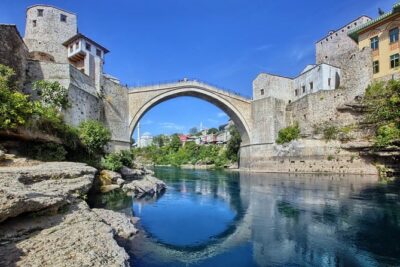
Mostar and Kravice Waterfalls Tour from Dubrovnik (Semi-Private)
Read our review →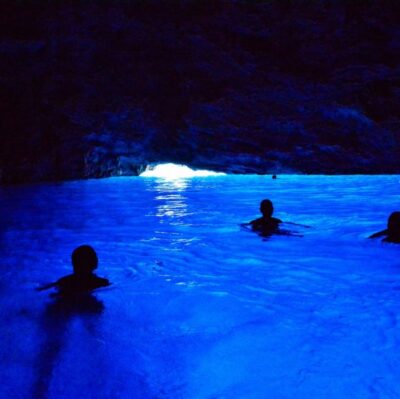
Blue & Green Caves Private Boat Tour with Drinks
Read our review →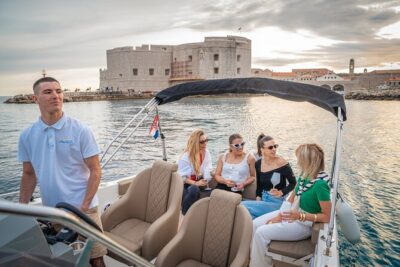
Dubrovnik Private Speedboat Tour to Elaphite Islands with Drinks
Read our review →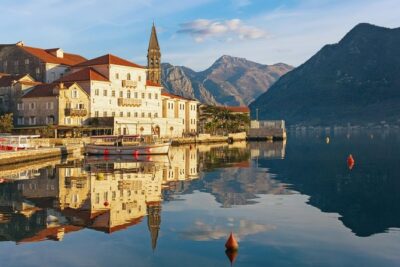
Private Tour: Montenegro Day Trip from Dubrovnik
Read our review →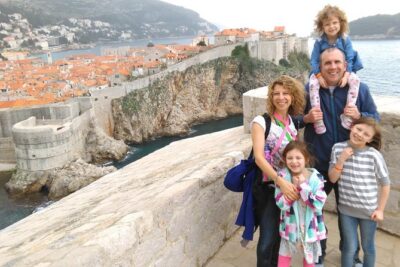
Tour The Game of Thrones – Private Walking Tour
Read our review →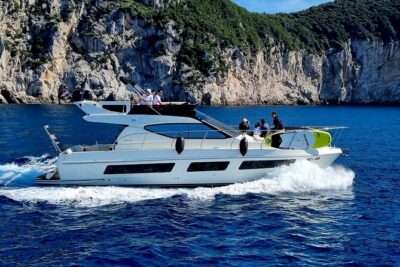
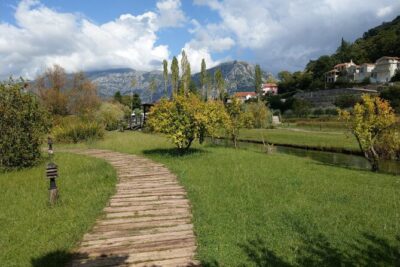
Montenegro Private Full Day Tour from Dubrovnik
Read our review →