
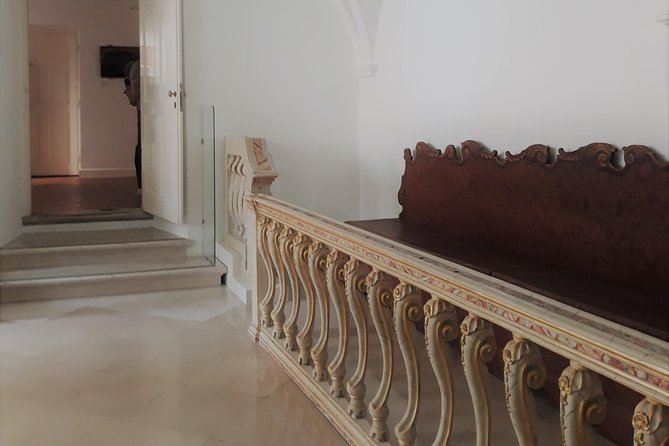
Reviewed · DUBROVNIK
Crime and Punishment in old Dubrovnik
Crime and Punishment in old Dubrovnik turns the usual sightseeing route upside down. Instead of only admiring views and walls, you walk through the places where justice was loud, punishment was public, and everyday life was shaped by courtrooms and power.
I like how the tour leans on small, specific locations you might miss on your own. I also like the way the storytelling makes Dubrovnik feel human, like decisions and consequences played out right on these streets, especially when the guide brings it to life in the voice of Marija.
One possible drawback: this is a darker theme, and the route involves a moderate amount of walking. If you want a lighter, mostly photo-stop tour, you may find the subject matter a bit heavy, and you will also need to plan for extra entry at Rector’s Palace.
Key highlights you will actually feel on the walk
- Gradac Park’s public execution site: you start with a direct look at punishment in action, with the stop itself free to enter.
- Onofrio’s Large Fountain and Franciscan medicine: you connect medieval healthcare ideas to the city you are standing in.
- Southern old-town criminal case stories: you learn how disputes and crimes fit into daily life near the cathedral area.
- Executioner’s house, old synagogue, and old port views: you get a route that mixes crime history with real geography.
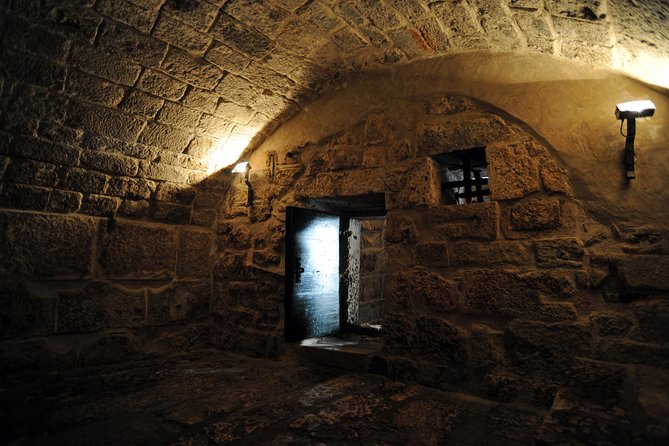
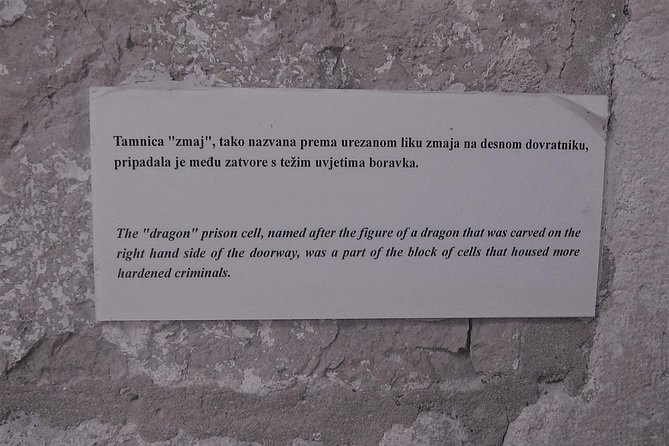
- Rector’s Palace courtroom and prison cells: you see where verdicts were handled before continuing into the museum space on your own.
Why crime history in Dubrovnik changes the whole old-town experience
Dubrovnik is famous for its defenses and skyline, but the city also ran on rules, courts, and consequences. When you focus on crime and punishment, you start noticing things you would otherwise speed past, like which buildings held authority, where decisions were made, and how the city marked wrongdoing in public.
I like that the tour keeps the story tied to the ground truth of the old town. You do not just hear theory. You stand at Gradac Park, then move through the Pile area and toward the center, picking up clues from the layout of streets and landmarks.
You also get a better sense of why the city looks the way it does today. Many of the famous sights are not only about art and architecture, they are also about power, governance, and who had control. A court in Rector’s Palace is not an abstract idea once you know what rooms it includes and what those rooms were for.
Keep exploring Dubrovnik — these are the ones readers rate highest:
- Blue Cave Small-Group Boat Tour from Dubrovnik
★ 5.0 · 9,360 reviews - Full-Day Dubrovnik Elaphite Islands Cruise with Lunch and Drinks
★ 5.0 · 8,823 reviews - Dubrovnik: Epic Game of Thrones Tour + Lokrum & Saver Option
★ 4.9 · 5,995 reviews
Meet at Pile in the evening, then walk like you mean it
The tour meets at Ulica Dante Aligheri in Pile, and it starts at 7:00 pm. You end at Rector’s Palace in the old city, either inside the palace or in front of it if you choose to skip going in.
This timing matters because an evening start gives you a calmer pace inside the old streets. The walk is not long on paper, around 1 hour 40 minutes, but it is paced to let you absorb the story at each stop. The walking is described as moderate, so bring comfortable shoes and be ready for uneven old-town surfaces.
The tour is private, which is a big deal for a themed walk like this. If it is just your group, you get more room for questions and fewer interruptions, so the darker details land better instead of getting rushed.
Stop 1: Gradac Park and the place where executions were public
You begin in Gradac Park, heading there right after meeting in Dante Alighieri street in Pile. This is where public executions were performed in the past.
That detail gives the tour its mood fast. When you arrive at Gradac Park, you are not waiting for the story to begin later, and you are not starting with something cheerful and then switching topics. Instead, you step into the theme immediately, with a stop that is marked as admission free.
Here is why that opening works for your understanding. Public punishment was not just about one event. It was about shaping behavior across the whole community. Once you grasp that, the rest of the route reads differently, because you start seeing the old city as a system, not a collection of pretty walls.
Practical tip: even though the stop itself is free, give yourself a little time to look around and orient yourself. You are setting the mental map for the whole evening.
The Pile area approach and the western old-city entrance

After Gradac Park, you keep walking through the Pile area and reach the western entrance to enter the old city.
This portion is helpful even if you already know Dubrovnik. The old city can feel like one big picture once you start following the main tourist spine. Here, you get a different entry point into the core, so you notice street geometry and turning points sooner.
It also sets up the contrast between the theme and the scenery. Dubrovnik is photogenic, yes, but the story on this walk pulls your attention to what the city did, who it controlled, and what happened when rules were broken.
A different way to spend a day in Dubrovnik:
- Dubrovnik: Elaphiti Islands Full-Day Cruise with Lunch
★ 5.0 · 5,938 reviews - Dubrovnik: Old Town Walking Tour
★ 4.8 · 5,174 reviews - Dubrovnik: The Original Game of Thrones Tour & Lokrum Option
★ 4.8 · 5,064 reviews - From Dubrovnik: Montenegro Day Trip
★ 4.4 · 4,807 reviews
Stop 2: Onofrio’s Large Fountain, Franciscan friars, and medieval medicines
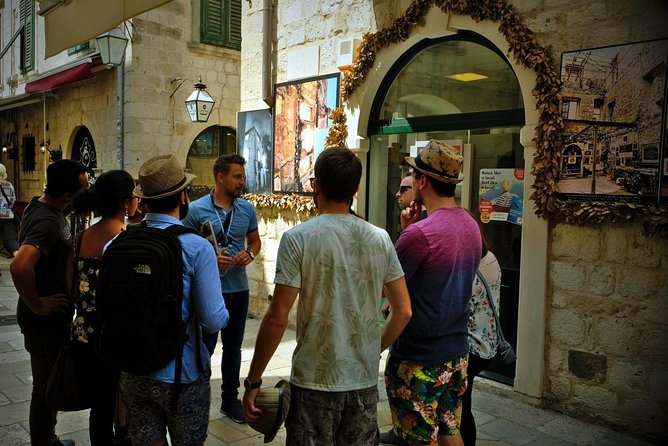
Next up is Onofrio’s Large Fountain. Your guide pauses here to explain the role of the Franciscan friars and the idea of medieval medicines.
This is one of those stops that changes your expectations about what a “crime and punishment” tour can include. It is not only about courts and punishment. You also get a sense of how care, healing, and institutions were part of the same civic world as justice.
Fountain plus friars also makes sense geographically. Dubrovnik was built to organize daily life around key public spaces, and water points like Onofrio’s Fountain mattered for everyone, visitors and locals alike. When you connect that to medieval healthcare thinking, you see how ideas traveled through communities.
Expect a short pause, about 10 minutes, but it is designed to give you a story anchor before you head deeper into the old town’s criminal-case streets.
Strolling the southern old town: criminal cases near the cathedral area
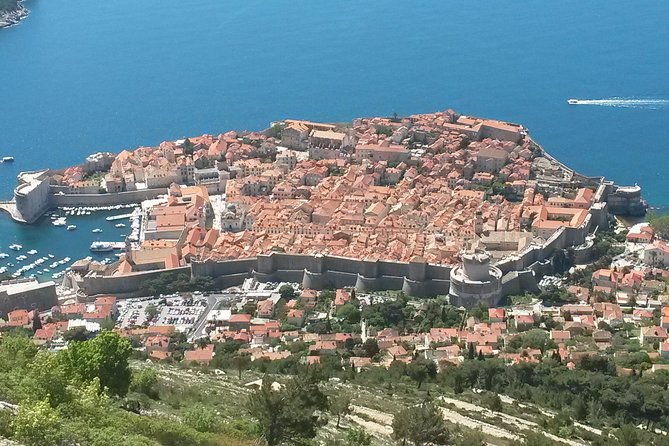
Before you come to the cathedral, you walk through the southern part of the old town to hear intriguing criminal cases tied to that area.
This is where you start getting a feel for how the tour treats Dubrovnik like a living document. You are not learning one generic legend. You are hearing connected stories tied to actual spaces, including routes you might not take if your plan is only to hit Stradun and major photo spots.
Two things I think you will appreciate here:
- You will get context for how people understood wrongdoing back then.
- You will see how close the important civic and religious spaces sit to the rest of street life.
If you love “why” questions, this is a good section. The tour is aiming at cause and effect, not just facts.
Passing the old port, then tracking landmarks toward Stradun

As the walk continues, you pass through the old port on your way toward the main street Stradun.
Ports are never just pretty in old cities. They are places where goods move in, people move in, and where the city has to manage risk. Even if your guide does not turn this into a lecture, it helps you understand why authorities cared about order and why stories of crime were never far away in a working harbor town.
From here, you also start moving into the route that funnels you toward Stradun, the city’s central spine. That route transition matters because you will see how the old town’s best-known street sits within a wider network of streets and buildings.
The executioner’s house and the old synagogue before Rector’s Palace
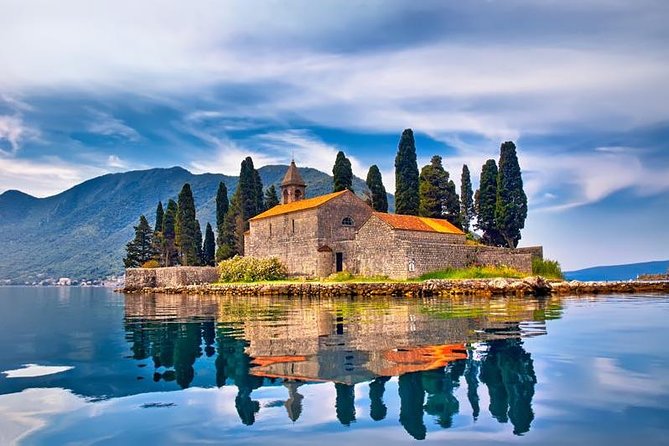
Before reaching Stradun, you see the executioner’s house and the old synagogue. After you pass Stradun, you proceed to the tour’s end point at Rector’s Palace.
This stretch is a big part of why the experience is memorable. You are not only hearing about punishment, you are walking through the built environment that supported it. The executioner’s house is especially direct, because it makes the role feel real and specific rather than distant.
The old synagogue adds another layer. It reminds you that enforcement and civic authority interacted with different communities and faith life. In a city shaped by centuries of rule changes, that kind of context helps you stop thinking of history as one straight line.
Then you reach Stradun, which is where many people end up automatically. On this walk, Stradun feels less like a final destination and more like a corridor that you pass through on the way to what mattered legally and politically.
Rector’s Palace: courtroom, prison cells, and the museum you can keep exploring
At the end, you get to Rector’s Palace, and you spend about 15 minutes inside as part of the tour.
The key parts you visit include the old courtroom and the prison cells before finishing in the atrium. After the guided portion, you can continue exploring on your own to see the cultural-historical museum of Dubrovnik.
This is your payoff stop, because it connects everything you heard earlier to a place designed for decisions and confinement. Once you stand in a courtroom setting, you can better understand the reason the city marked punishment and why it was structured.
One important detail for your planning: the admission for Rector’s Palace is marked as not included. That means you should expect a separate entry cost if you want to do the museum beyond what your guide covers.
Practical tip: if you think you might want extra time in the museum afterward, wear shoes that can handle more walking. The palace area rewards a slower pace, and you will likely want to linger.
Price and value: is $144.49 worth it for this kind of tour?
At $144.49 per person for about 1 hour 40 minutes, the price is not the cheapest way to see Dubrovnik. But themed history tours have a different value equation.
You are paying for:
- A guided, English-language story tied to specific sites
- A route that includes off-center stops like Gradac Park and the executioner’s house, which are harder to connect on your own
- A private format, meaning only your group participates
There is also a strong value in the pacing. The tour is short enough to fit your last evening plans, but long enough for the theme to build. If you like history and want a different angle than the standard wall-and-views circuit, you are getting “more meaning per minute” than a general stroll.
If you dislike walking or you want a light, casual night out, you might feel the price more sharply. But if crime history and the way cities govern people interests you, this is the type of tour where the guide’s storytelling is the product.
Who should book this, and who might skip it
This tour is a strong fit if you:
- Like history that has consequences, not just dates
- Want a night walk with a clear theme and a defined route
- Enjoy hearing stories that connect real buildings to how society worked
It is also a good match for small groups who can handle a slightly darker narrative and still enjoy walking through a UNESCO-level old town.
You might consider skipping if you:
- Want mostly scenic views with minimal serious content
- Prefer tours with lots of indoor time and minimal walking
- Do not want any extra entry costs, since Rector’s Palace admission is not included
Should you book Crime and Punishment in old Dubrovnik?
If you are looking for a Dubrovnik experience with a point of view, I think you should book it. The walk starts at Gradac Park, connects to Franciscan ideas at Onofrio’s Large Fountain, and ends inside Rector’s Palace with the courtroom and prison cells. That arc takes you from public punishment to institutional justice in a way that is hard to replicate with a guidebook.
The biggest reason to choose this is simple: it changes how you read the old city. After this kind of tour, you stop seeing only beauty and start seeing how power worked in real spaces. Just make sure you are comfortable with the darker theme, bring good shoes, and plan time for the palace museum if you want to continue after the guided portion.
FAQ
Where does the tour start and end?
It starts at Ulica Dante Aligheri in Pile (20000 Dubrovnik) and ends at Rector’s Palace on Ul. Pred Dvorom 3, in the old city. The end is either inside Rector’s Palace or in front of it if you skip entering.
What time does the tour begin?
The start time is 7:00 pm.
How long is the tour?
The duration is about 1 hour 40 minutes.
What language is the tour offered in?
The tour is offered in English.
Is the ticket mobile, and do I need to print anything?
You receive a mobile ticket.
Is it a private tour?
Yes. It is private, and only your group participates.
Do I need to pay for admissions during the tour?
Gradac Park and Onofrio’s Large Fountain stops are free. Rector’s Palace admission is not included.
How much walking is involved?
There is a moderate amount of walking. Wear comfortable shoes.
Is there confirmation after I book?
You should receive confirmation within 48 hours of booking, subject to availability.
What is the cancellation policy if plans change?
Free cancellation is available. You can cancel up to 24 hours in advance for a full refund. If you cancel less than 24 hours before the start time, the amount paid is not refunded.
Newly reviewed in Dubrovnik
- Private Walking Tour through the Old Town of Dubrovnik★ 5.0 · 3 reviews
- Dubrovnik Old City Walls Private Tour★ 5.0 · 12 reviews
- Dubrovnik Private Photoshoot with Local Professional Photographer★ 5.0 · 15 reviews
- Dubrovnik Van Tour for Panoramic Views★ 5.0 · 25 reviews
- Private Full Day Peljesac Wine Tasting Tour from Dubrovnik★ 5.0 · 35 reviews
- TOP OFFER: Dubrovnik to Split via Ston, Počitelj, Mostar, Kravica★ 5.0 · 15 reviews
- Ston Tour: City Walls, Saltworks, Wine & Adriatic Seafood★ 5.0 · 3 reviews
- Pelješac Wine, Beach and Lunch – Relaxing Tour from Dubrovnik★ 5.0 · 15 reviews