Reviewed · PRIVATE
Dubrovnik to Tirana; Semi – Private Tour with Tour Leader & Car
This Dubrovnik to Tirana tour is interesting because it strings together multiple countries in one motion, from medieval Croatia into Bosnia and Herzegovina, Montenegro, Kosovo, and then Albania. I like the semi-private size (max 10 travelers), which makes the long travel days feel more human. I also like that you get built-in culture through included meals and Ottoman-style coffee stops, not just photos at viewpoints.
The main drawback to consider is pace. Expect a lot of time in the car, plus some walking on uneven terrain in Sarajevo, along with border days and early starts that can feel like a full-throttle week.
Key highlights at a glance
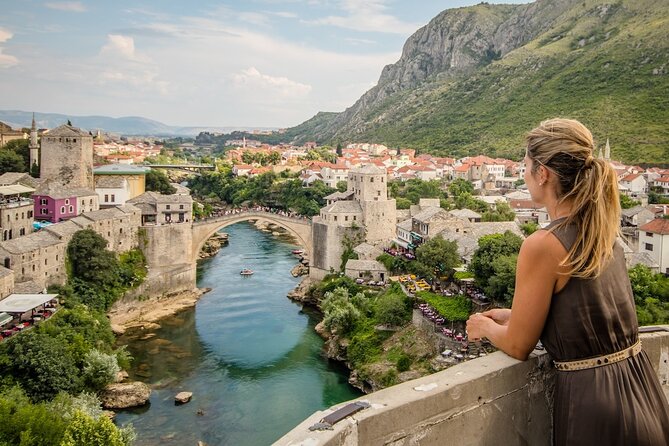
- UNESCO Old Bridge in Mostar (Stari Most) plus time wandering the Old Bazaar
- Bišćevića Kuća for a close look at preserved Ottoman residential architecture
- Sarajevo’s Ottoman and Austria-Hungarian areas, with war-era scars you’ll see while walking
- UNESCO Kotor with free afternoon time to explore the old town streets
- Prizren and Kosovo stops, including a mosque visit and fortress views
- Tirana food tour, with byrek at local spots and a traditional meal plus grape raki
Why this Dubrovnik to Tirana route works as a car tour
The big advantage here is how efficiently you’re moved through the region. Rather than treating each country like a separate trip, this one gives you a sequence of places that all feel linked by Ottoman and Adriatic-era influence.
It also helps that the tour includes transport, a professional tour leader, and hotel pick-up in Dubrovnik Town (with the honest note that cars can’t enter every street). That means less logistics for you and more time to focus on the places that matter.
And yes, you’re doing a lot. But the itinerary is built around short guided blocks followed by time to roam, so you get both context and breathing room.
A few more ways to see Dubrovnik
- Mostar and Kravice Waterfalls Tour from Dubrovnik (Semi-Private)
★ 5.0 · 3,125 reviews - Dubrovnik: Blue & Green Caves Private Boat Tour with Drinks
★ 4.7 · 814 reviews - Dubrovnik Private Speedboat Tour to Elaphite Islands with Drinks
★ 5.0 · 660 reviews
Day 1: Dubrovnik pick-up, border day, and the Mostar reset
You start at 7:00 am with pick-up from your hotel area in Dubrovnik Town. From there, the driver shuttles you toward the border, where you meet your tour leader. It’s a practical way to handle a city where cars can’t reach everywhere.
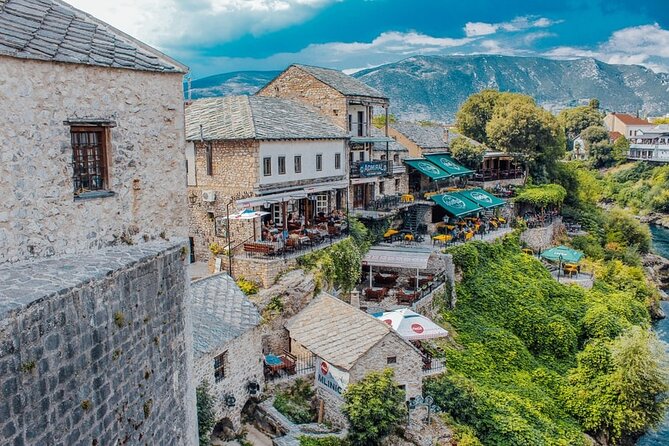
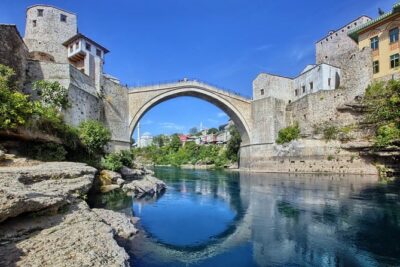
Once you cross into Bosnia and Herzegovina, the first hit of atmosphere comes fast in Mostar. You’ll go straight to the iconic Stari Most (Old Bridge), tied to UNESCO status and Ottoman-era architectural style. After that, you’ll wander the Old Bazaar and side streets where you’ll spot commemorations like small “Don’t Forget” markings across town.
One thing I like about the timing is that it gets your eyes adjusted early. You land in the middle of the story instead of easing in with a random stop that doesn’t connect.
Mostar’s Old Bridge, bazaar maze, and Bišćevića Kuća
Mostar is the kind of place where walking is the main event. The tour gives you the bridge first, then moves you into the maze of cobbled alleys and bazaar lanes so you can connect the landmark to everyday life.
The Old Bridge visit is marked as free admission, which is a nice bonus. Then you get Bišćevića Kuća (Biscevic House), included, a preserved riverside Ottoman home from the 17th century. This is the opposite of a quick photo stop. You’re seeing what a “wealthy Ottoman family” residence looked like, and that personal scale makes the larger history feel real.
If you like architecture and old neighborhoods, this is one of the stronger days. If you hate crowded alleys, you might want to slow down and treat the bazaar as a choose-your-own-adventure. Even with a tour leader, you’ll still control your pace on the ground.
Day 2: Sarajevo walking on uneven ground and WWII backstories in plain sight
Sarajevo is next, and the day starts with a drive from Mostar after breakfast. The tour notes walking on uneven terrain and visiting ruins as part of the Sarajevo experience. That’s not the kind of day where you can plan to “only do the easy bits.”
What you’ll cover includes medieval roots, then Ottoman and Austria-Hungarian Sarajevo. You’ll move through areas where markets, bazaars, mosques, churches, and synagogues all show up in the same city map. The tour frames it as Sarajevo as a kind of European crossroads, and you can feel that when different architectural styles sit side by side.
Then there’s the war-era reality. You’ll see reminders of the Yugoslav War through bullet holes and cannon marks around town. It’s heavy, and it isn’t the place for small talk. I’d treat this as a reflective stop, not just sightseeing.
A different way to spend a day in Dubrovnik:
- Blue Cave Small-Group Boat Tour from Dubrovnik
★ 5.0 · 9,360 reviews - Full-Day Dubrovnik Elaphite Islands Cruise with Lunch and Drinks
★ 5.0 · 8,823 reviews - Dubrovnik: Epic Game of Thrones Tour + Lokrum & Saver Option
★ 4.9 · 5,995 reviews - Dubrovnik: Elaphiti Islands Full-Day Cruise with Lunch
★ 5.0 · 5,938 reviews
The Latin Bridge and the Turkish coffee moment
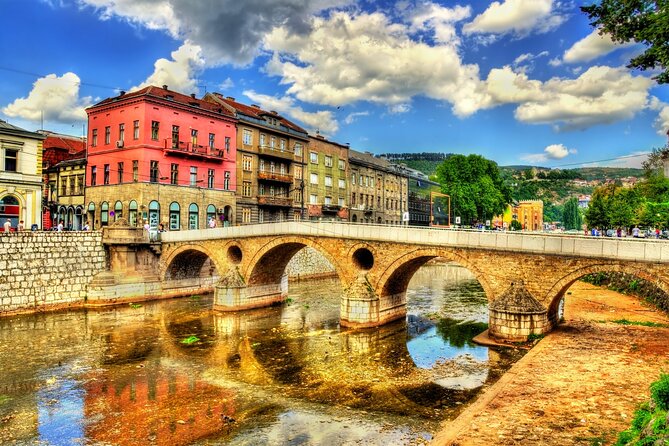
You’ll visit Latin Bridge and learn how WWI is connected to this exact area. The tour also includes a quick orientation about the bridge name and its connection to the Catholic quarter called Latinluk in Ottoman times.
For a breather, you stop at Caffe Divan for a complimentary Turkish coffee or tea. It’s smart scheduling because it gives you a moment to sit down after absorbing difficult sights.
Day 3: Blagaj spring water and Kotor’s UNESCO old town maze
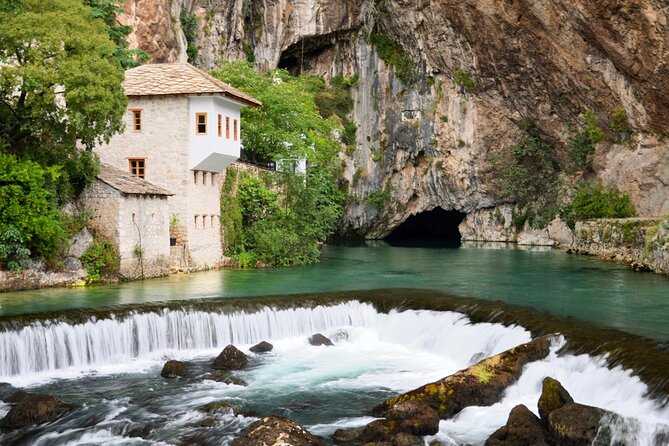
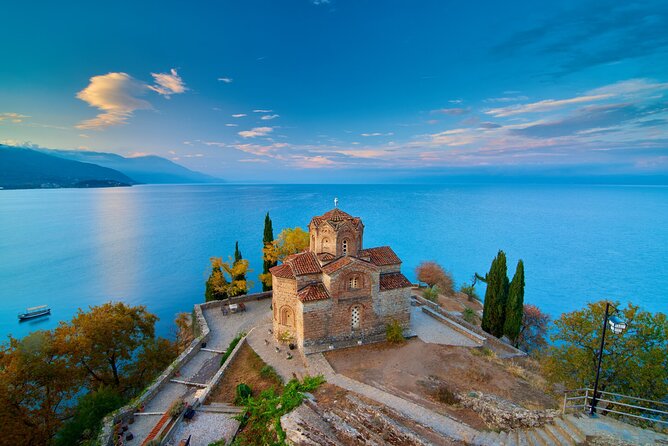
After breakfast, you head to Blagaj, outside Mostar. The description is all about the setting: a small Ottoman-era town at the foot of a cliff, with the spring of the Buna River and blue water in front. It’s one of those stops that feels calmer than the cities because the scenery does the heavy lifting.
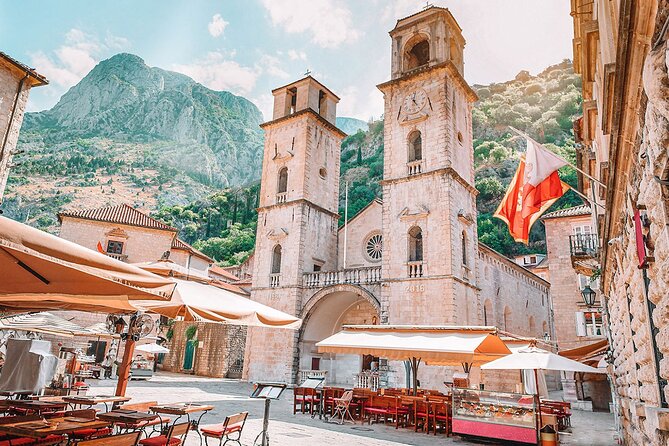
Then you continue toward Kotor in Montenegro, a UNESCO world heritage site. You’ll wander the narrow cobblestone streets that feel chaotic, but the tour explains why they were laid out that way, historically to confuse intruders. If you like city planning as well as history, this is the kind of reasoning that makes old streets more interesting.
The tour includes a visit to Saint Luke’s Church, described as significant for locals because it represents unity. After that, you get afternoon time to explore on your own, and that matters. Kotor is one of those towns where you benefit from wandering without a timer.
Day 4: Budva’s old and new, Sveti Stefan photos, then Shkoder in Albania
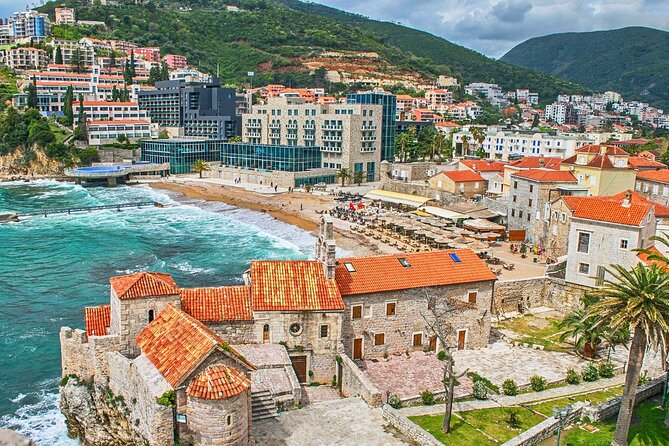
Budva is a classic split-city setup: Old Budva for history and churches, and New Budva for modern buildings, shops, and bars. The tour keeps it short but structured so you get a feel for both sides.
You’ll visit St. Ivan Church with included admission, plus see other old-town landmarks like the small church of St. Mary. It’s enough time to understand the layout without pretending you’ll “master” the city in one morning.
On the drive toward Albania, you stop near Sveti Stefan for photos. The tour is honest that you can’t visit the island itself anymore because it has become an exclusive residential resort. That kind of clarity helps you manage expectations.
Then you reach Shkoder for the Albanian portion. The tour includes time for Rozafa Castle, with views over the lake area and three rivers meeting near the Adriatic. You also visit a Venetian-influenced city in terms of architecture, and there’s an extra cultural note about masks and local carnival production if your dates line up.
Venetian mask workshop stop that feels different from a typical shop
One of the more fun add-ons is the Venice Art Mask Factory stop, with included admission. You’ll see papier-mâché masks made by hand, inspired by Venetian traditions. It’s not just buying souvenirs. It’s watching craft in a small workshop setting, which tends to be more satisfying than a quick market browse.
If you want something hands-on and creative after days of architecture and war history, this is a nice pivot.
Day 5: Mrizi i Zanave slow food farm, then Prizren with Kosovo highlights
Day 5 starts with Mrizi i Zanave (Restorant Agroturizëm), one of the slow food agro-tourism farms in the region. The tour includes a farm tour, how they created local jobs, and how they collect and preserve regional bio products. You also get free time to enjoy lunch or buy fresh produce, but lunches themselves are not included.
This is a day that’s about slowing down in the middle of a fast itinerary. When you’re switching countries and cities, a food-and-farm stop helps reset your senses.
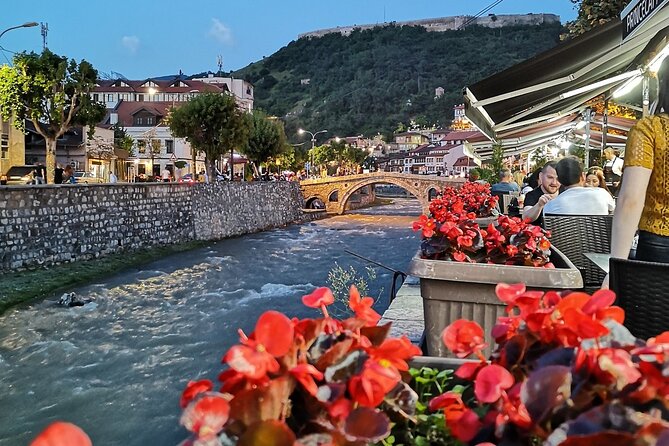
Then you drive to Prizren, often described as the cultural capital of Kosovo. The tour frames the city as shaped by Illyrian settlement and as a crossroads of Byzantine and Ottoman influence. You’ll stroll through the old town area along the river and bridges, then stop at key cultural sites.
You’ll visit Sinan Pasha Mosque (included admission). The description focuses on arabesque color and pattern, and mosque visits like this are one of the best ways to see craftsmanship up close in the Balkans.
Then there’s time at Kalaja Fortress (included admission). The fortress view gives you a panorama over the town, and that’s useful because it helps you understand the city’s shape after hours of winding street walking.
Day 6: Gjakova bazaar, Decan frescoes, and Rahovec wine country
The day begins in Gjakova, known for the oldest and largest bazaar of Kosovo. The tour also doesn’t ignore history, noting it was destroyed during the Balkan wars, then rebuilt again to its former state. You get about an hour to enjoy the market and see traditional handmade crafts made by local artisans.
From there you go to Decan Monastery, included admission. The tour highlights the monastery’s white appearance, plus the fact that Orthodox monks still inhabit the monastery and make fresh organic food, including cheeses. The UNESCO connection comes from frescoes, portraying 14th-century life and the Palaeologan renaissance.
Finally, you head to Rahovec Valley, presented as viticulture country and home to long grape cultivation traditions. The tour includes scenic context about the vineyards’ altitude and mentions an annual wine festival in September. Even if you’re not there in festival season, the valley setting helps you picture why the area is known for wine.
Day 7: Krujë resistance story, medieval bazaar shopping, and castle paths
Krujë is the Albanian resistance symbol against Ottoman expansion during the 15th century. The tour places you in a rocky, mountainous city at around 560 meters above sea level, which matters because the town’s layout and views come from that terrain.
You’ll visit Kruja Castle with included admission. The tour leader guides you through hidden paths used by locals in times of siege. That detail makes the visit more than a “stand on a wall” moment, because you’re imagining how people moved when they had to be quiet and fast.
Before or around the castle time, you walk the Medieval Old Bazaar, included as free time in the tour schedule. This is described as one of the biggest and oldest bazaars in the Balkans. It’s the best place on the trip for souvenir shopping, especially if you want handmade items like carpets or jewelry.
The day also has a separate block of free time for lunch and shopping, so you can linger if you find a stall you like. And if you don’t, you’re not stuck in a constant line of stops.
Day 8: Tirana by food, markets, and New Bazaar meal with grape raki
Tirana comes last, and it’s a good finish because it’s more about living culture than battlefield or medieval ruins. The tour starts with a local companion for a food-focused introduction across the city, with the reminder to come with an empty stomach.
You’ll stop at a small local place to try byrek. The tour describes thin layers of dough with fillings like cheese, meat, or spinach. Then you move to Çam bazaar, with time to shop for everything from clothes to kitchen equipment, plus the ability to bargain.
Next is time in Pazari i Ri and Tirana neighborhoods, for daily-life observation and a market visit for second-hand goods. Then the tour includes a traditional Albanian meal prepared with regional specialties, and the tasting of Albanian grape raki. That meal piece is included, which helps make the final day feel complete instead of ending with just walking.
If you like food as a cultural shortcut, this last day is the part you’ll remember when you’re back home cooking for friends.
Price and value: $3,433.11 per person, and what you actually get for it
At $3,433.11 per person for an approximately 8-day itinerary, this is not a “cheap and cheerful” trip. The value comes from the number of countries you cross, the included transport, and the way admissions and food stops are built into the schedule.
Here’s what pushes the cost up while also supporting the price:
- Transport is included the whole way, which saves you the hassle of booking separate rides across borders
- You have a professional tour leader, plus a local companion for Tirana
- Breakfast is included 7 times, plus specific inclusions like Ottoman coffee or tea in Sarajevo and the Tirana food experience
- The itinerary includes several included sights, like Bišćevića Kuća, Latin Bridge, St. Ivan Church, Sinan Pasha Mosque, Kalaja Fortress, and Kruja Castle
The big “watch-out” is that you still pay for your own lunches, dinners, drinks, and snacks. The itinerary gives you free time blocks, and that means your budget depends on how you eat.
Also, the price is calculated based on double, twin, triple, or quad occupancy in 3-star hotels. If you’re traveling solo, the real per-person cost may change. Make sure you confirm your room setup before you decide.
Who this tour fits best
This tour fits you if you want a structured route through key Balkan destinations and you’re comfortable trading some downtime for steady movement. It also suits you if you like culture-heavy days where you learn the “why,” not just the “what,” like Sarajevo’s bridge story or Kotor’s street layout explanation.
You’ll likely enjoy it if:
- You’re okay with a moderate fitness level and some uneven walking
- You want guided context for UNESCO sites and Ottoman and Balkan architecture
- You prefer semi-private group dynamics, not a huge coach with strangers
If you’re the type who hates early starts or you want lots of solo wandering time in only one country, you might find the schedule intense.
Should you book this Dubrovnik to Tirana tour?
Book it if you want one trip that covers Croatia, Bosnia and Herzegovina, Montenegro, Kosovo, and Albania with transport, guidance, and food experiences already planned. I especially think it works well as a first major Balkans circuit, because the included stops hit the kinds of places that help you understand the region fast.
Skip it if you want a slow vacation with minimal car time, or if war-era sites feel too heavy for your travel style. Also consider your expectations about beaches and leisure. Budva is included, but the emphasis is on old towns, churches, and cultural routing more than lounging.
If you do book, pack practical shoes for uneven streets, plan for early days, and treat the food stops like a core part of the itinerary, not an afterthought. The trip ends on a strong note with Tirana by way of byrek, markets, and the included meal with grape raki.
FAQ
What time is the tour pick-up in Dubrovnik?
The scheduled start is 7:00 am, and you are picked up from your hotel in Dubrovnik by the local representative (driver).
Where does the tour end?
The tour ends in Tiranë (Tirana), Albania.
How many people are in the group?
The tour has a maximum of 10 travelers.
What language is the tour offered in?
The tour is offered in English.
What is included in the price?
The price includes BB (accommodation and breakfast) for overnights, transport, a professional tour leader, tourist and road taxes and petrol, hotel pick-up in Dubrovnik Town, one Ottoman style coffee or tea in Sarajevo, the Tirana food tour, and breakfast (7).
Are lunches and dinners included?
No. Lunches, dinners, drinks, and snacks are not included.
Are any tickets or admissions included for attractions?
Yes. Included admissions in the itinerary include stops like Bišćevića Kuća, Latin Bridge, Saint Ivan Church, Venice Art Mask Factory, Sinan Pasha Mosque, Kalaja Fortress, and Kruja Castle, plus other listed inclusions.
Do I need much walking or fitness?
The tour says travelers should have a moderate physical fitness level, and it specifically notes walking on uneven terrain during the Sarajevo portion.
Is the tour refundable if I cancel?
No. This experience is non-refundable and cannot be changed for any reason.
Newly reviewed in Dubrovnik
- Private Walking Tour through the Old Town of Dubrovnik★ 5.0 · 3 reviews
- Dubrovnik Old City Walls Private Tour★ 5.0 · 12 reviews
- Dubrovnik Private Photoshoot with Local Professional Photographer★ 5.0 · 15 reviews
- Dubrovnik Van Tour for Panoramic Views★ 5.0 · 25 reviews
- Private Full Day Peljesac Wine Tasting Tour from Dubrovnik★ 5.0 · 35 reviews
- TOP OFFER: Dubrovnik to Split via Ston, Počitelj, Mostar, Kravica★ 5.0 · 15 reviews
- Ston Tour: City Walls, Saltworks, Wine & Adriatic Seafood★ 5.0 · 3 reviews
- Pelješac Wine, Beach and Lunch – Relaxing Tour from Dubrovnik★ 5.0 · 15 reviews
Private, compared.
Mostar and Kravice Waterfalls Tour from Dubrovnik (Semi-Private)
Read our review →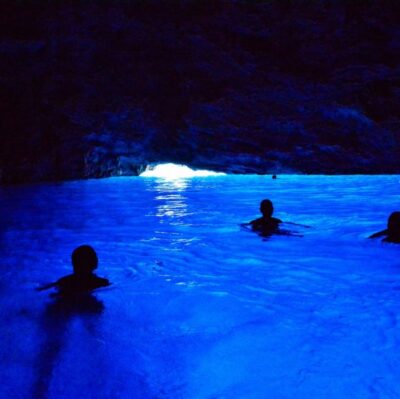
Blue & Green Caves Private Boat Tour with Drinks
Read our review →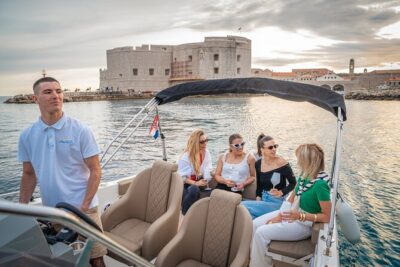
Dubrovnik Private Speedboat Tour to Elaphite Islands with Drinks
Read our review →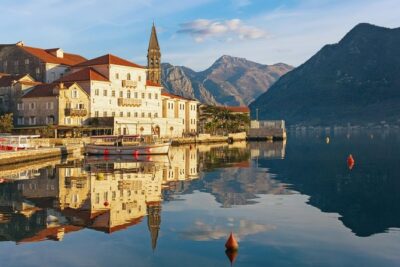
Private Tour: Montenegro Day Trip from Dubrovnik
Read our review →
Tour The Game of Thrones – Private Walking Tour
Read our review →
Montenegro Private Full Day Tour from Dubrovnik
Read our review →